
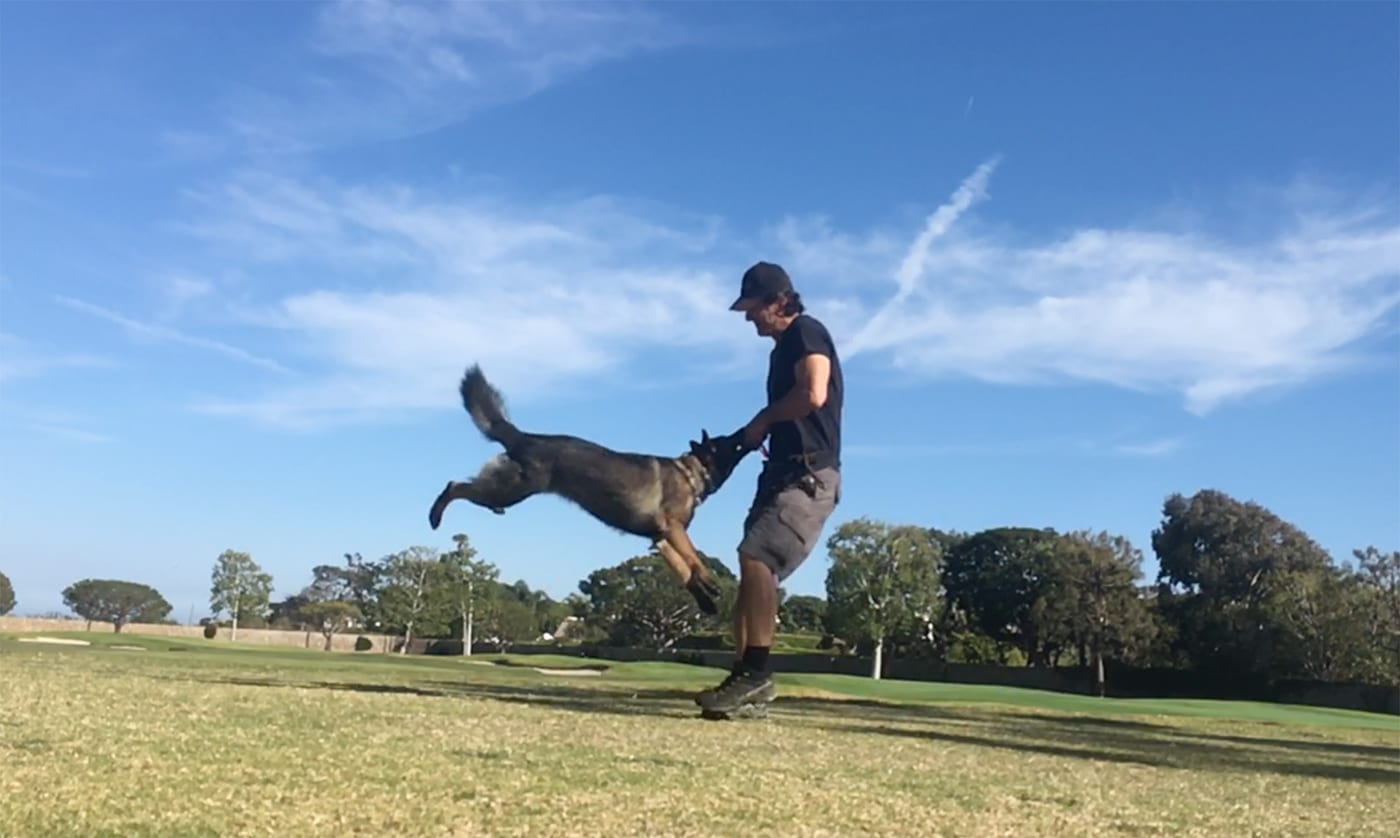

I was talking the other day with a fellow trainer and some interesting topics came up; one I thought I would discuss here.
It seems people are all-too anxious to “train” their dogs and miss one of the most fundamental elements necessary to train: relationship. I’ve discussed this over and over again in my lectures as well as my articles and posts, but I want to address it again.
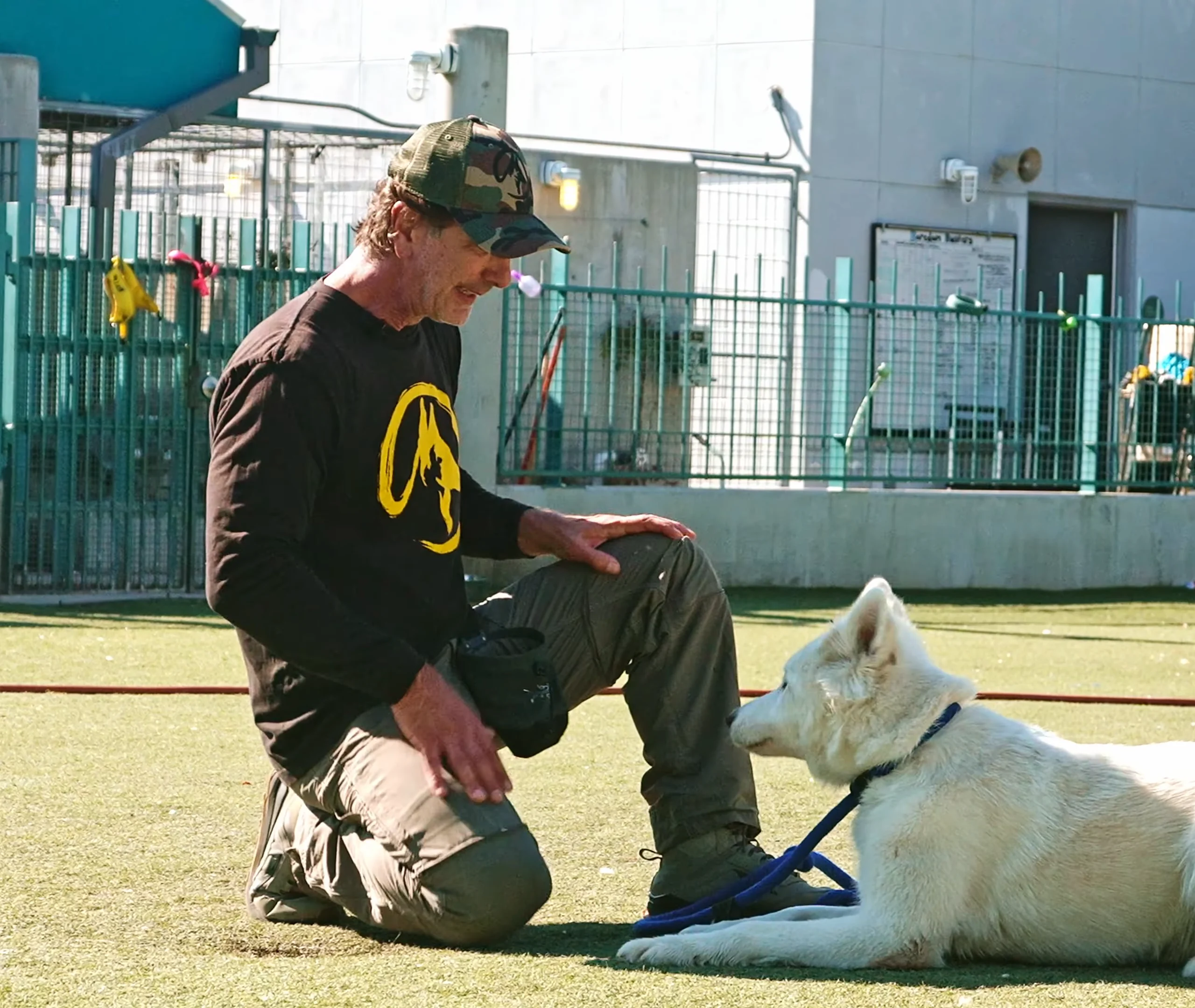
Beginning with training before you have a relationship with a dog can be very detrimental to the relationship between you and your dog as well as the overall development of the dog, in particular if the dog is too young or immature. What is paramount is to set up learning and interactions with a dog in a fun manner and in a way that will induce the dog to learn. The way to do this is to develop a relationship with your dog (or the dog you are training). This relationship, usually done through playing, will set the stage for all further training. A dog that looks toward a human is half-way trained. A dog that doesn’t look toward a human must later be forced to do so and then he is forced to comply – all of this is unfair and highly un-necessary if the right steps are taken in the very beginning.
See: online dog training
To explain this, understand that one of the first things that a competitive obedience trainer will look for in a dog is one that will look into his eyes. That eye contact is essential in developing the bond that can lead to successful training. There are many ways to do this including feeding your dog treats from your mouth and more (I’ll post about this another time), but you should make an effort to get a dog to look at you, and then be certain to MARK that behavior and reward it.
Now, on a very important note, we should be aware that dogs are opportunists and “un-learn” things (such as bad habits) very slowly. That is to say, bad habits die hard. If you allow a puppy to get away with stupid behavior, you’ll be fixing it later on. And fixing these things later on usually involves compulsion (or corrections). This can be avoided by introducing structure into training right from the beginning.
I believe in playing games with dogs, engaging them and teaching them through this engagement. This makes training fun and fair for the dog and easy for the humans.
Training should be fun for both the human and the dog. If it’s not fun for your you’re not going to want to do it and the same holds true for your dog. Playing games, ball, tug, frisbee or anything else shows your dog that you are not as boring as he initially thought. There are even certain times in an adult dog’s life that I will take a break from training for a week or more and just focus on fun and games. I love to play tug and so do my dogs, we also love frisbee. Games build a strong bond and that is one of the keys to successful training.
There are even certain times in an adult dog’s life that I will take a break from training for a week or more and just focus on fun and games.Robert Cabral
Be certain to play games with your dog and keep the relationship fun!
New dogs should develop a relationship with you before you begin training. Nothing more annoying than a person who gets a new dog and starts telling him, COME, SIT, STAY! The dog is probably thinking “WHY? I don’t know you!” Building the relationship sets you and your dog up for success. Hand feeding, fun walks and games should be the first thing you do with your dog. Spend a little time making those bank deposits with your dog, then you will have a reserve from which to withdraw.
I equate the relationship with your dog akin to a bank. Every time you have to correct your dog that is like taking a withdrawal from the bank. So, before you can withdraw money from your bank you have to make a deposit. Think about this when you want to train a dog. Start by making deposits, that can be feeding and/or playing. A positive balance in your dog’s reserve will give you something to withdraw against when it is necessary. Spend time and effort to make those deposits, they will accrue interest and will be there when you need them.